
Categories
BuyerPublished October 4, 2021
Should I buy or rent?

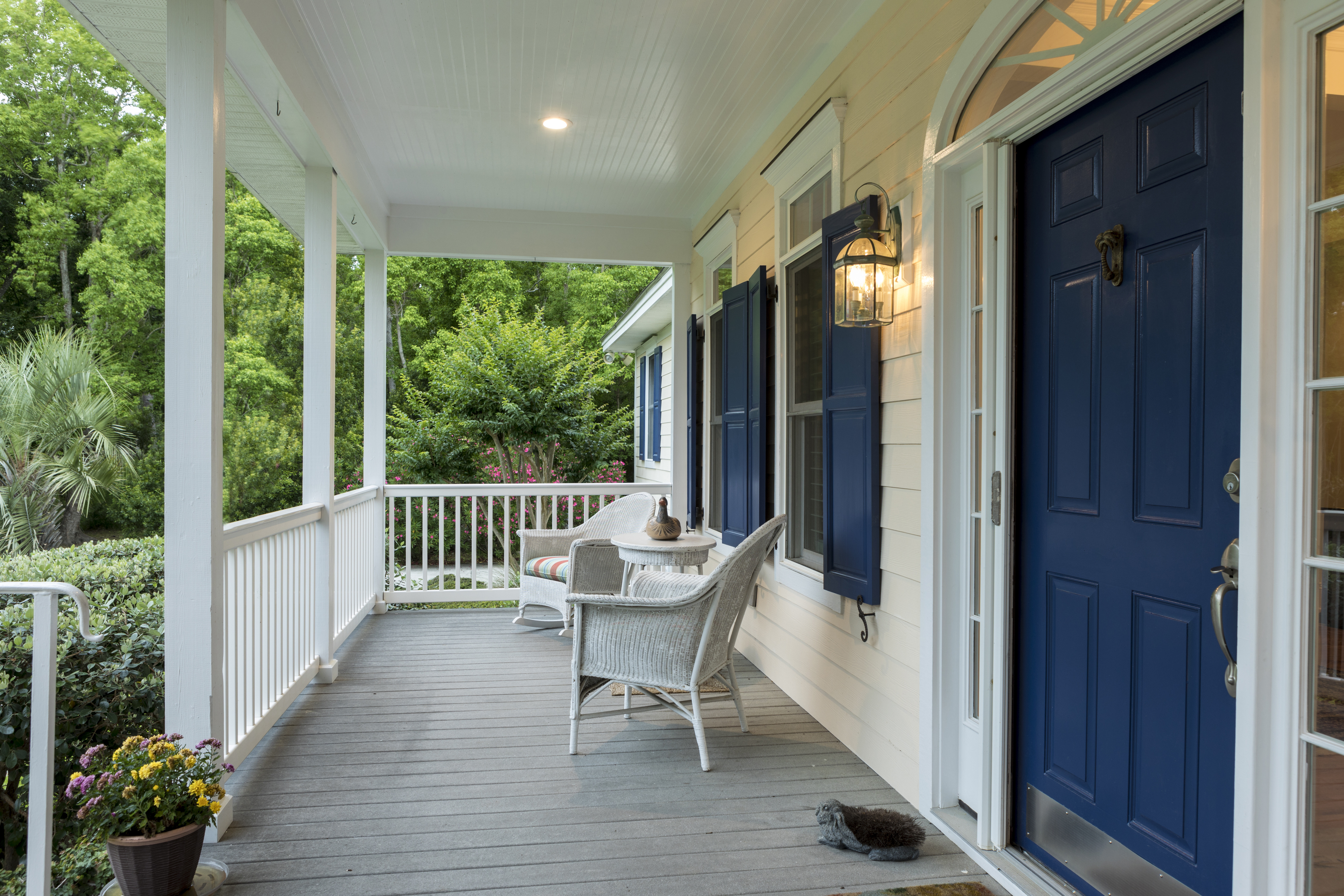
Deciding to buy a home is a big decision. For most home buyers, it is a big capital investment that locks them in. Renting seems simpler and has lower up-front costs, but is it the best decision?
Renting v. Buying Pro and Cons
At times, one or the other can be the best decision for you and your family. But you should understand the benefits of each option.
Benefits of Renting
One of the biggest benefits of renting is you have regular moments of flexibility. Each year when your lease is up, you can move to a new area of town, a new unit within your complex, or get more or fewer bedrooms, etc. That flexibility is big benefit to people who like change. But it has a cost too...moving every year is a huge headache and can be pricey. Renters should build moving costs into your rent calculations.
Renting often means no unexpected repair costs. If something breaks in your rental, you call the landlord to fix it. Both owners and renters have to deal with the inconvenience of a problem, but renters typically don't have to pay for the repair. If your landlord is quick about repairs, it's a nice plus.
Renting Restrictions
If you rent, you can't control your housing costs. Rents go up typically every time you renew your lease. Rents have been rising rapidly the past few years, stressing renters budgets. If you can't afford the higher rent, your only option is to move to hopefully find a better deal. Not being able to control your housing costs year to year is a big risk for renters.
You can't upgrade the space. As a renter, If you don't like the color of the wall, or want a newer sink, or to add shelves in a closet typically you are out of luck. If you landlord does let you make a change, you have spent your money to improve their asset and you can't take that with you.
As well, rentals tend to control your pet choices. Many landlords don't allow pets, or charge higher renal fees and deposits if you have a pet. And many restrict the size, type, breed or number of pets. Animal lovers will feel very restricted in most rentals.
Reasons most people buy a home
Home ownership is difficult in transition, but is a great long term financial decision. The first reason people buy is that each monthly mortgage payment lowers the amount you owe on the home, building equity that is yours when you sell.
Besides the equity you build just by paying your mortgage, you benefit from appreciation too. Home prices typically rise 3.5% - 3.8% a year. In the 919, home prices have risen about 5% a year. From 2009 to 2019, just by paying your mortgage home values went up 50%! Yearly gains have been even higher since 2020. That's massive gains in net worth simply by living in your own home v. someone else's home.
Typically, rents are HIGHER than the mortgage on the same house, so you pay for the convenience of not owning that home.
As well, there are some tax deductions for mortgage interest you pay, but only if you can itemize your taxes. Renters get no tax advantages.
But the benefit most home owners experience that few think about is control over your long term housing costs. With fixed rate lows, you know your housing costs for the next 15-30 years. When rents are rising rapidly, and even if interest rates sky-rocket, a fixed rate mortgage payment stays the same.
Ask your parents, grandparents or mentors what their mortgage payment is and you'll likely be shocked that they pay a fraction of what you pay in rent for a much bigger and nicer home. It's because they locked in their payment amount with a fixed rate mortgage, and are reaping the benefits years later.
Negatives to home ownership
There are some risks to owning a home. When things break or need repair or maintenance, that's on you. One way home owners can control those costs is to purchase a town home or condo where the HOA fee often covers building maintenance and repairs.
If you own the home, and HOA fees or taxes go up, that's an increased cost you have to pay. But renters pay those same costs as well, it's just hidden in your rent. Landlords almost always charge rents that cover all their expenses: mortgage, taxes, insurance, HOA fees and their projected maintenance costs. They do that to ensure they are making money on the property. So you may think you are escaping those costs with renting, but you aren't.
Big down payments are another reason some folks avoid buying a home. Compared to a rental deposit of a month or two of rent, down payments and closing costs seem high. If you want the best rates and payments, it makes sense to put 20% down on a home. But few first time home-buyers do that. FHA and conventional mortgages typically require just 3%-3.5% down. VA loans require no down payment and credit unions often have 0% down loans as well.
The last challenge is that selling is expensive. With fees, taxes and commissions it can be expensive to sell. Despite those outlays, most sellers walk away from a home sale with a significant amount of money in their pocket due to gains in equity and appreciation. When you walk away from a rental, you are just hoping to get your deposit back.
Overall, owning a home is one of the best ways most families build wealth and for many, the value in their home is their largest asset. That's why the "American Dream" has always involved owning a home...because it is one of the best paths to accumulating wealth over time.
If you'd like to learn more about buying and selling real estate, the 919 Realty Group would love to connect!

Dave Patchin
| 919 Realty Group - Raleigh & Cary Real Estate | Dave Patchin
or another way